

Evidence-led resources for stronger midlife
Clear, clinical guidance for navigating menopause well.
Menopause can bring uncertainty. These FAQs provide clarity and practical guidance to support you through this stage of life.
-
Menopause is defined as 12 consecutive months without a menstrual period, marking the end of natural reproductive cycles.
In the years leading up to the menopause (perimenopause), oestrogen and progesterone hormones fluctuate and gradually decline. These hormonal changes can affect more than just periods.
They influence:
Muscle mass and strength
Bone density
Tendon and connective tissue health
Joint stiffness
Body composition and metabolism
Recovery capacity
These changes are common, but they are not inevitable. With the right training and lifestyle approach, many of them can be slowed, managed, and even improved
-
Declining oestrogen affects muscle protein synthesis, collagen production, and joint lubrication. This can lead to:
Reduced muscle mass
Increased joint stiffness
Slower recovery
Greater injury susceptibility
However, strength loss in midlife is largely related to under-loading, not ageing alone.
Structured resistance training, progressive overload, and appropriate recovery can rebuild strength and improve joint resilience at any age.
-
Yes.
Research consistently shows that women in midlife and beyond can build muscle, increase strength, and improve cardiovascular fitness when training is applied progressively and consistently.
The key principles are:
Strength training 2–3 times per week
Training close enough to fatigue to stimulate adaptation
Including impact work (if appropriate) for bone health
Prioritising recovery and adequate nutrition
The body remains adaptable. It simply requires the right stimulus.
-
Bone density declines more rapidly after the menopause due to reduced oestrogen, which normally helps regulate bone remodelling.
To protect bone health, we focus on:
Load-bearing and resistance exercises
Impact training where appropriate
Adequate calcium and protein intake
Vitamin D support
Balance training to reduce fall risk
Bone responds to mechanical load. With intentional training, we can significantly reduce fracture risk.
-
Ideally, before symptoms feel significant.
Perimenopause is one of the most powerful windows to build strength, muscle, and bone resilience before hormonal decline accelerates.
A proactive approach allows you to:
Maintain muscle mass
Protect bone density
Improve balance and coordination
Support long-term independence
Menopause is a transition, not a sudden event. Preparing early leads to better outcomes later.
Practical, evidence-led guidance to help you understand your body, build strength, and protect your long-term musculoskeletal health through the perimenopause and menopause.
Explore articles, guides, and educational tools designed to give you clarity and confidence.
-

How much bone density is lost in the first 5 years of menopause?
-
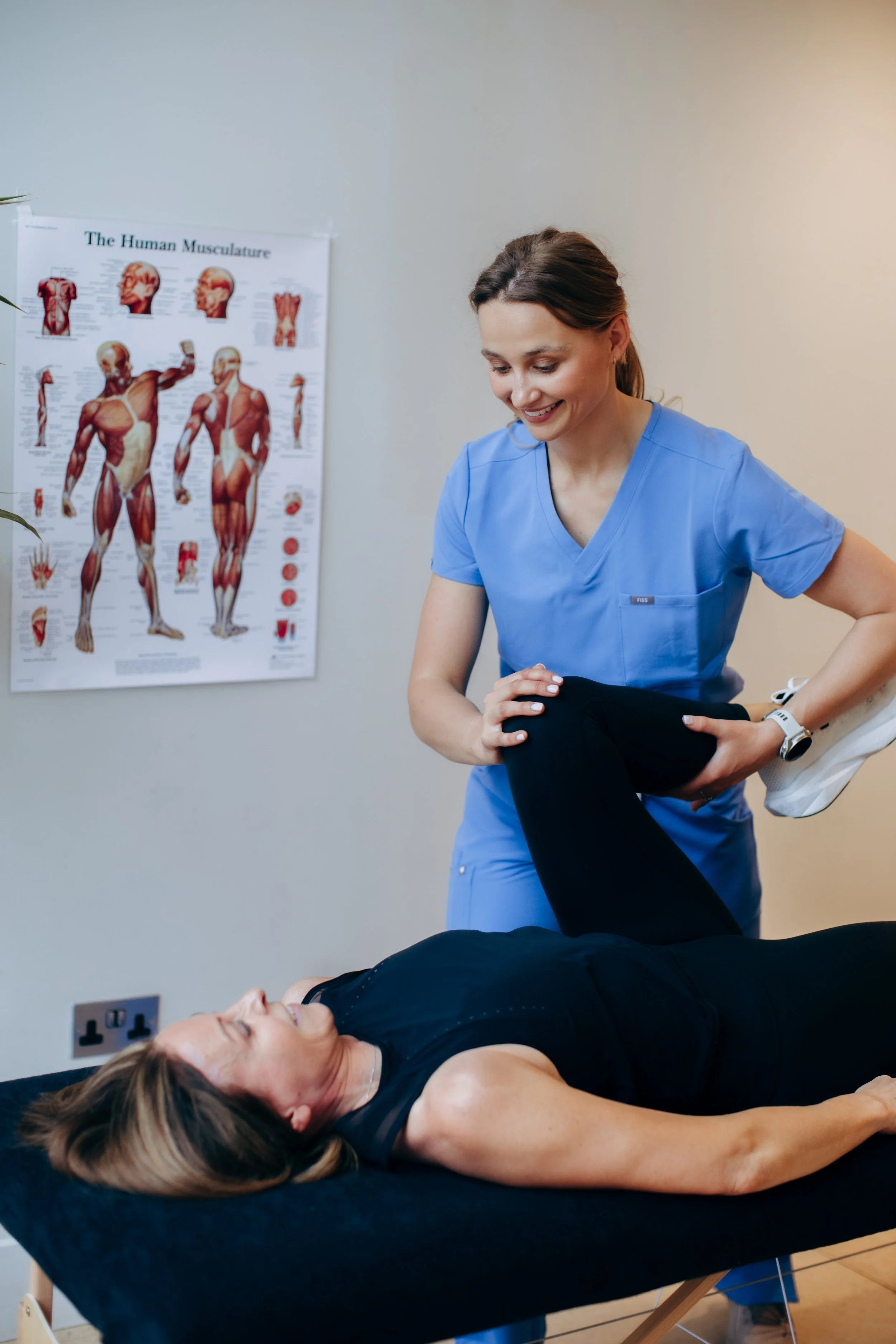
Why tendon injuries spike around perimenopause and what to do about it?
-

What is strength training, and where do you actually start?
-

The role of stress and cortisol in menopausal symptoms
-
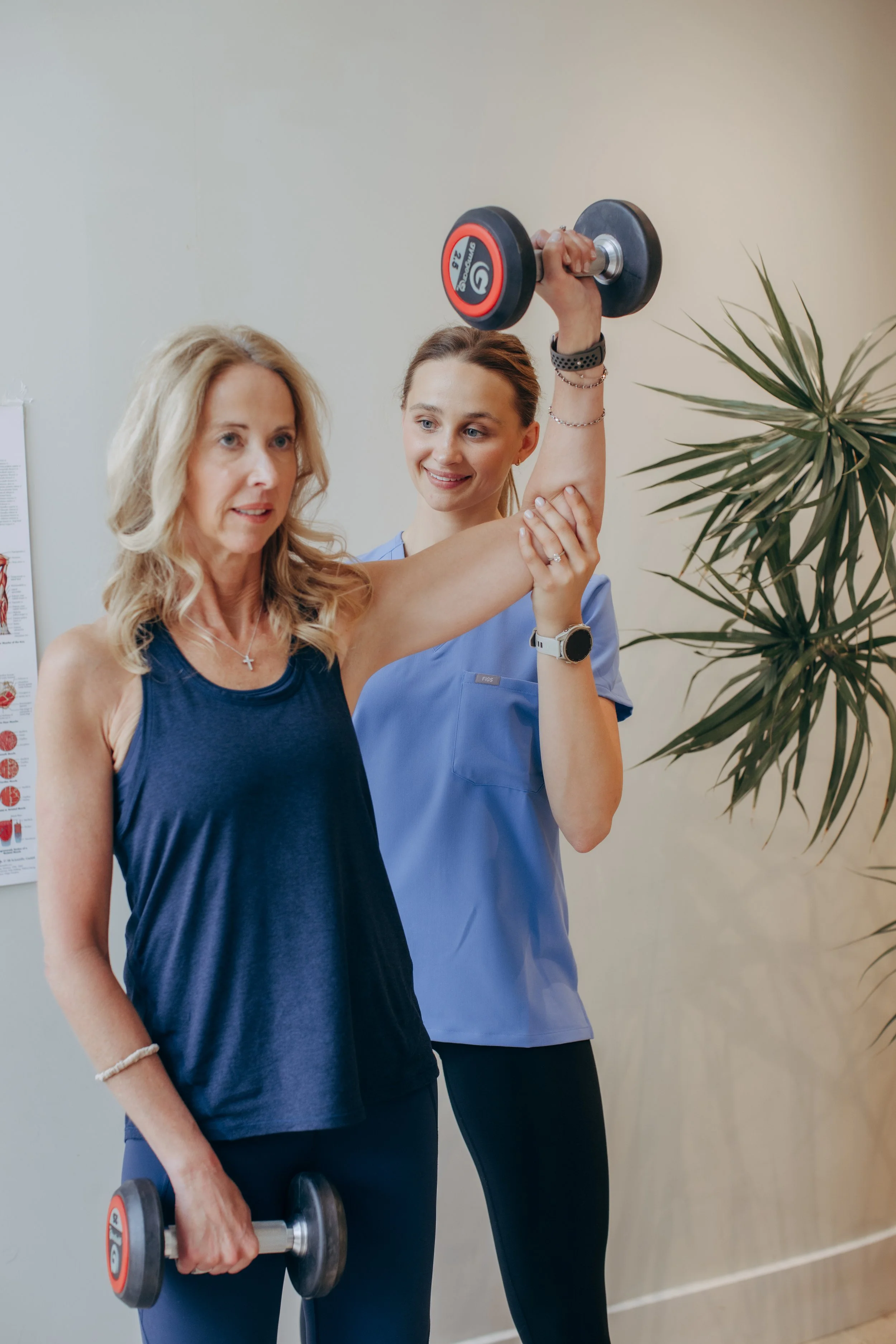
"Why am I gaining weight when nothing has changed?"
-

Are you eating enough protein?
STAY INFORMED, STAY STRONG
Join the TYM Community for expert insights, updates, and early access to new resources.